Rohrer Phoenix CO2 Laser
Serving Patients in North Suffolk, Norfolk, Chesapeake, Smithfield, and Surrounding Areas


Serving Patients in North Suffolk, Norfolk, Chesapeake, Smithfield, and Surrounding Areas
Some skin changes are hard to improve with skincare alone. Deeper lines stick around, old acne scars can leave uneven texture, and years of sun exposure eventually start to show. At Clarity Acne & Aesthetic Dermatology in Suffolk, VA, we use the Rohrer Phoenix CO2 laser to resurface damaged skin and encourage new collagen underneath. The treatment can create a smoother, more even look, but the right approach depends on your skin, your goals, and how much recovery time you can realistically give yourself.
The Rohrer Phoenix is a carbon dioxide laser used to resurface the skin. It removes damaged skin at the surface while also creating controlled heat deeper in the skin, where it can stimulate collagen production. That gives us a way to work on texture and visible signs of aging at the same time.
Phoenix can also be used fractionally. Instead of treating the entire surface evenly, fractional treatment creates tiny treatment zones with untreated skin between them. Those areas of untouched skin help with healing. It's still an ablative laser treatment, which means the surface of the skin is being removed, and recovery is an important part of the process.
The treatment can also be adjusted in intensity. A lighter resurfacing treatment won't have the same downtime or create the same degree of change as a deeper one. We choose the settings based on what you're trying to improve and how much recovery makes sense for you.


Phoenix CO2 laser resurfacing can improve several concerns related to aging, sun exposure, and uneven texture. It may be a good option for:
There are limits. Deep wrinkles may soften without disappearing completely, and acne scars do not all respond the same way. A shallow depression is different from a deep, narrow scar or one that's tethered beneath the skin. Acne scarring treatments can be included in the plan when a scar needs more than laser resurfacing alone.
We'll also evaluate the neck, chest, or hands for treatment. These areas heal differently from facial skin, so we do not treat them exactly the same way. CO2 resurfacing can improve skin quality, but it can't replace lost facial volume or remove a significant amount of loose skin.

You may be a good candidate if wrinkles, sun damage, or uneven texture are bothering you and you are comfortable with the recovery that comes with an ablative laser. Your skin tone and healing history are just as important as the concern you want to improve.
At your consultation, we'll review your medical history and take a close look at your skin. Let us know if you have a history of cold sores, unusual scarring, or problems with wound healing. We also need to know about medications you take, including isotretinoin, and any procedures you have had in the area before.
Skin tone needs special consideration with CO2 resurfacing. Darker skin tones have a higher risk of pigment changes after treatment, and Phoenix is generally used most cautiously in lighter Fitzpatrick skin types. We'll look carefully at your skin before recommending treatment and may suggest another option if the risk of discoloration is too high.
We may postpone treatment if you have a recent tan, an active infection, or an acne breakout in the area. Pregnancy, breastfeeding, or a tendency to form raised scars can also change the recommendation. If melasma is one of your concerns, tell us before scheduling because the heat and inflammation from resurfacing can sometimes make it worse.
If you aren't sure whether CO2 resurfacing is right for you, schedule a skin assessment. We can walk through the options and explain what makes the most sense for your skin.
A little planning goes a long way with CO2 resurfacing. The goal is to prepare your skin, reduce avoidable risks, and make sure you are ready for the healing period afterward.
If you have a wedding, vacation, photo session, or another event coming up, give yourself extra time. Being ready to go back to work and having your skin look fully settled aren't always the same thing.

Your appointment starts with preparing the skin and reviewing the treatment plan. We'll confirm the area being treated and go over what you can expect during recovery before we begin.
The skin is cleansed and numbing is used as appropriate for the treatment depth. During the laser treatment, you may feel heat or stinging. CO2 resurfacing is more intense than a light facial or gentle laser treatment, so we want you to know what the experience will feel like ahead of time.
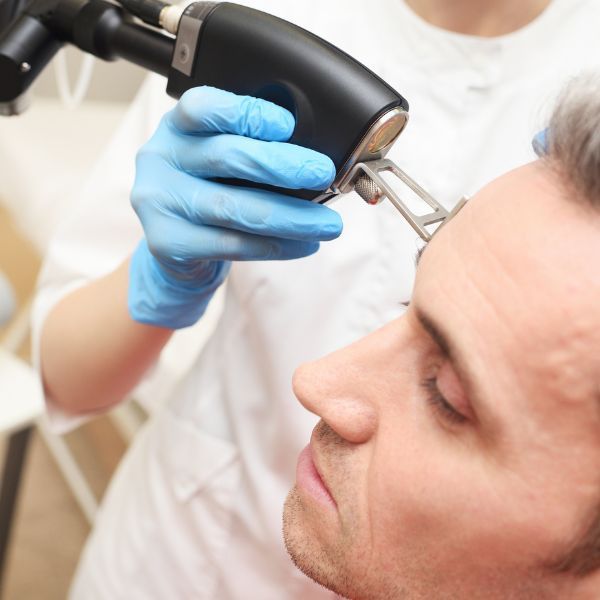
Your provider then passes the laser over the selected area using settings chosen for your skin and treatment goals. The amount of time this takes depends on how large an area we're treating and how intensive the resurfacing is.
Before you leave, we will review how to cleanse and protect the treated skin and what changes are normal during healing. We will also explain when you should call us if something doesn't seem right.
Plan for about one to two weeks of initial healing after CO2 laser resurfacing. A lighter treatment may heal faster, while deeper resurfacing can take longer. The surface of the skin can heal before all of the redness is gone, so looking “closed” does not necessarily mean your skin is completely back to normal.
Your Recovery Timeline and Healing Process
Avoid makeup until the skin is ready for it. Retinoids and exfoliating acids also need to stay off the treated area until we tell you they are safe to restart. We'll let you know when exercise, swimming, and other activities can be resumed. Sun protection is especially important while your skin heals. Use shade and protective clothing first, then sunscreen once the skin can tolerate it.
Call the office if pain or redness starts getting worse instead of better, or if you develop fever, pus, or new blisters. Those symptoms need to be evaluated rather than covered with another skincare product.
CO2 laser resurfacing is a more intensive treatment, so there are real risks to consider. These include infection, burns, scarring, and changes in skin color. Some patients develop darker pigmentation after inflammation, called post-inflammatory hyperpigmentation. Lighter areas can also develop, and either type of pigment change may last.
Cold sores can reactivate after treatment, and some patients develop small temporary white bumps called milia. Good patient selection, careful settings, and proper aftercare can lower these risks, but they can't remove them completely. Following your post-treatment instructions is especially important while the skin barrier is healing.

You'll usually notice smoother skin once the surface has healed, but that's only part of the result. Collagen remodeling takes longer and can continue for several months. Early swelling can also make the skin look temporarily smoother, so it is worth giving the result time before judging it. Depending on the treatment depth, improvement may continue for up to about six months.
Results from CO2 resurfacing can last for years, but the skin will continue to age, and new sun damage can still occur. Daily sun protection and a skincare routine that fits your skin can help protect your results. Some patients see meaningful improvement after one treatment. Others may benefit from another session, especially if a gentler approach was chosen the first time. We usually want to give the skin enough time to heal and remodel before deciding whether more treatment is needed.
Phoenix CO2 resurfacing is one of the more intensive laser options we offer. It can create a bigger change in texture and sun damage, but it also asks more of you during recovery.
If your concerns are milder or you cannot take much downtime, something gentler may be a better fit. Clear + Brilliant is a nonablative fractional laser available at Clarity Acne & Aesthetic Dermatology. It generally involves less recovery, although the changes are more subtle and may require a different treatment schedule.
The basic difference is that CO2 removes skin at the surface, while nonablative treatments work beneath the surface without the same degree of removal. You don't need to decide which laser skin resurfacing treatment you need before coming in. We can help you compare the amount of improvement you want with the recovery you can realistically manage.
The cost of Phoenix CO2 laser resurfacing depends on the area being treated and how intensive the resurfacing needs to be. Treating a smaller, focused area is different from treating a full face or several areas at once.
The number of sessions also affects the overall cost. During your consultation, we'll explain the plan we recommend and review pricing with you so you know what is included. Ask about our payment plan information and which options may apply to your care.
Clarity Acne & Aesthetic Dermatology is led by Deborah Quinn, DNP, FNP-BC, DCNP, a board-certified Family Nurse Practitioner and Dermatology Certified Nurse Practitioner with nearly two decades of experience in medical, surgical, and cosmetic dermatology. Her approach combines that dermatology background with a strong focus on patient education. We want you to understand what is happening with your skin and why we are recommending a particular approach.
That philosophy carries through the entire practice. Treatment plans are personalized around your skin, your goals, and what you are comfortable with rather than built around doing the most treatment possible. We also believe in being straightforward about what a treatment can realistically accomplish and when another option may be a better fit. The goal is for you to feel informed and confident about your care before you move forward.

If you're considering CO2 laser resurfacing, start with a skin assessment. At our North Suffolk office, we can look at what you want to improve, explain how much recovery Phoenix would involve, and help you decide if it is the right fit. Schedule your consultation when you are ready to talk through your options.
You can expect heat and stinging during treatment. Numbing helps make the experience more comfortable, and the comfort plan depends on the area being treated and how deep the resurfacing will be. We will talk you through that before treatment begins.
Phoenix can improve certain acne scars, but it won't erase every scar. The shape and depth of the scar make a difference, and some types respond better when laser resurfacing is combined with another treatment. Active acne should also be under control before we treat the scars it left behind.
Possibly, but candidacy needs to be considered very carefully. Darker skin has a higher risk of lasting pigment changes after CO2 resurfacing. An in-person skin assessment lets us weigh that risk and recommend another treatment if Phoenix is not the safest fit.
Wait until the surface has healed and your provider says your skin is ready. Makeup on open, peeling, or irritated skin can cause more irritation and may increase infection risk. The exact timing depends on how deeply you were treated.
It may improve crepey texture and mild laxity in suitable neck skin, but it will not remove excess skin or create the same lift as surgery. The neck also needs a more cautious treatment approach because it does not heal exactly like facial skin.
Yes, in some cases. CO2 resurfacing and injectables address different concerns, so both may have a place in the same treatment plan. We offer Botox and dermal fillers, but timing is important. We'll help you space treatments appropriately around laser recovery.

(757) 977-1077
Monday - Thursday: 9AM - 4PM
Friday: 9AM - 2PM
Second Saturday of the month: 9AM - 12PM